
Match the home direction to the use and parcel
Start with how the home will be used: primary residence, guest unit, rental, ranch housing, or a repeatable program. Then compare the reference plan or another home direction with parcel size, setbacks, orientation, access, utilities, and local requirements.
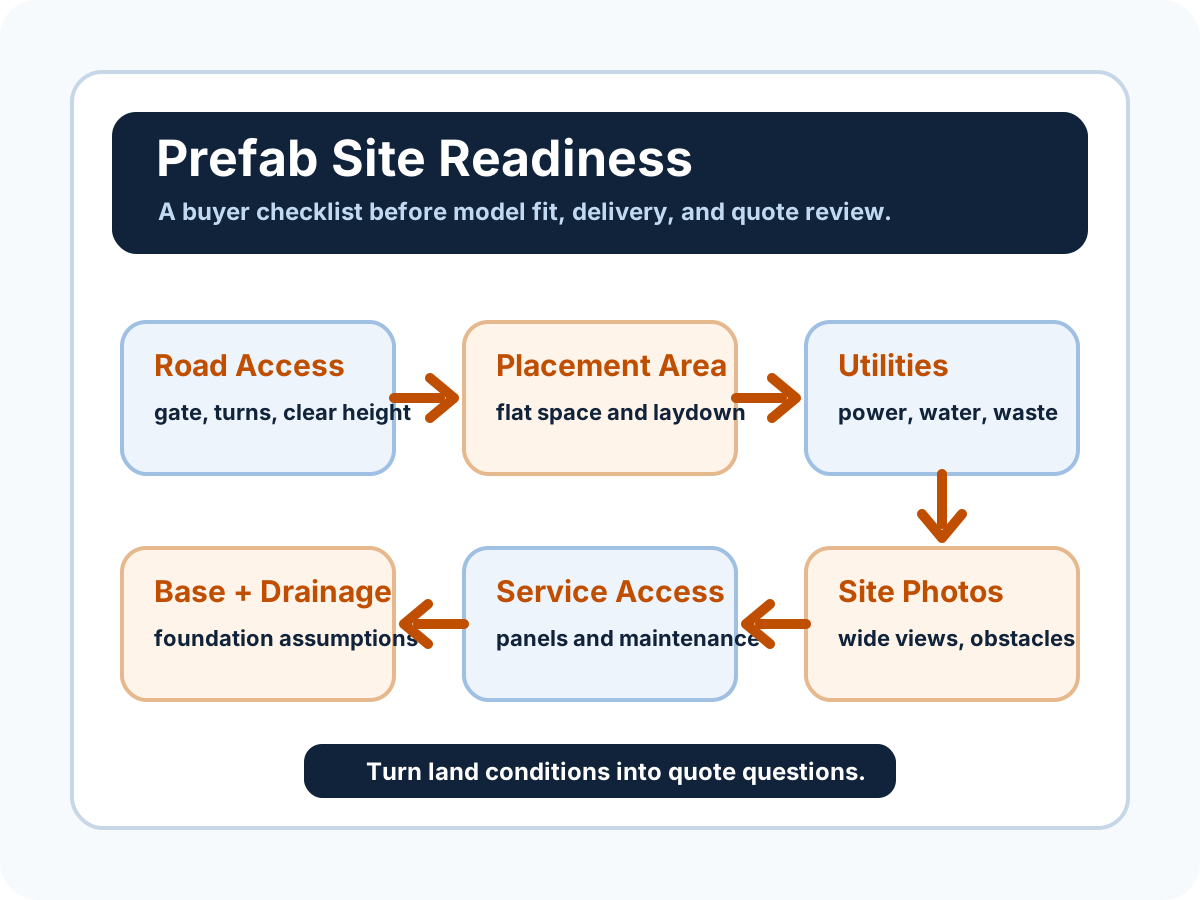
Photograph the complete delivery route
Show the public road, driveway entrance, gate, narrow turns, grades, trees, overhead lines, and the proposed placement area. Measure narrow points where possible. A model that fits the footprint can still fail the delivery test when trucks, lifts, or modules cannot reach the site.
Reserve unloading and assembly space
Identify level ground for unloading, temporary staging, lifting, and assembly. Note fences, slopes, drainage paths, soft ground, neighboring structures, and areas that must remain open. Delivery and assembly assumptions should be written into the project scope.
Locate utilities and foundation questions
Record the location and status of power, water, sewer or septic, gas, and telecom. Note distances to the footprint and any overhead conflicts. Foundation type, anchorage, soil, drainage, flood, frost, wind, and local code questions require project-specific professional review.
Separate the home package from local project cost
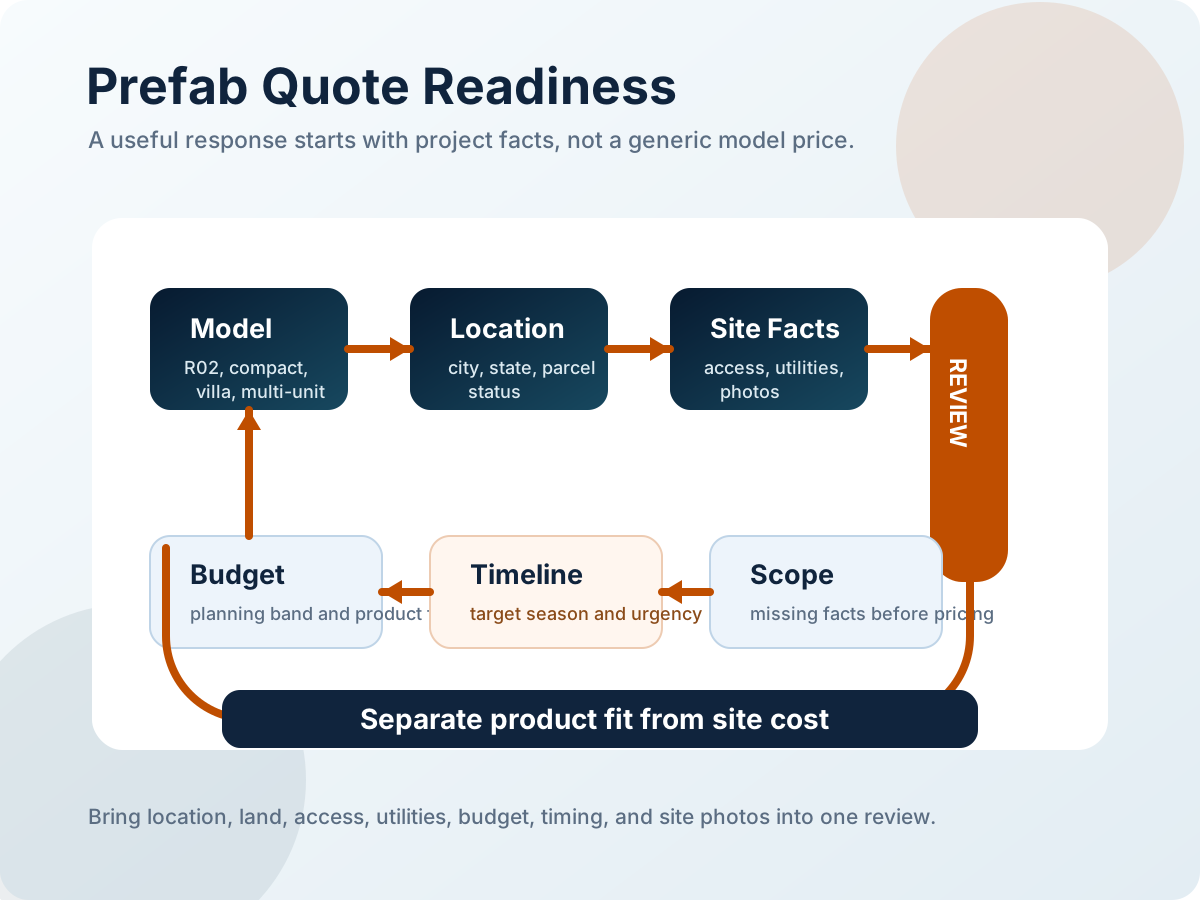
A useful budget separates the factory home package from freight, unloading, lifting, foundation, utilities, permits, taxes, local labor, site preparation, and upgrades. Do not compare two prices until both identify the same included items and site assumptions.
What K&K can return
- Likely fit or mismatch between the home direction and submitted lot information.
- Missing road, slope, utility, drainage, or unloading photos.
- Site conditions likely to affect freight, foundation, utilities, local work, or timing.
- Items that need local engineering, authority, contractor, or owner confirmation.
- The next step: more site information, a reference-plan review, or quote preparation.
What stays with local professionals and authorities
Survey, soil and geotechnical work, foundation and structural engineering, utility design and taps, septic design, permits, code review, site construction, and installation remain with qualified local parties. K&K organizes the buyer's site and quote questions; it does not replace those services.