
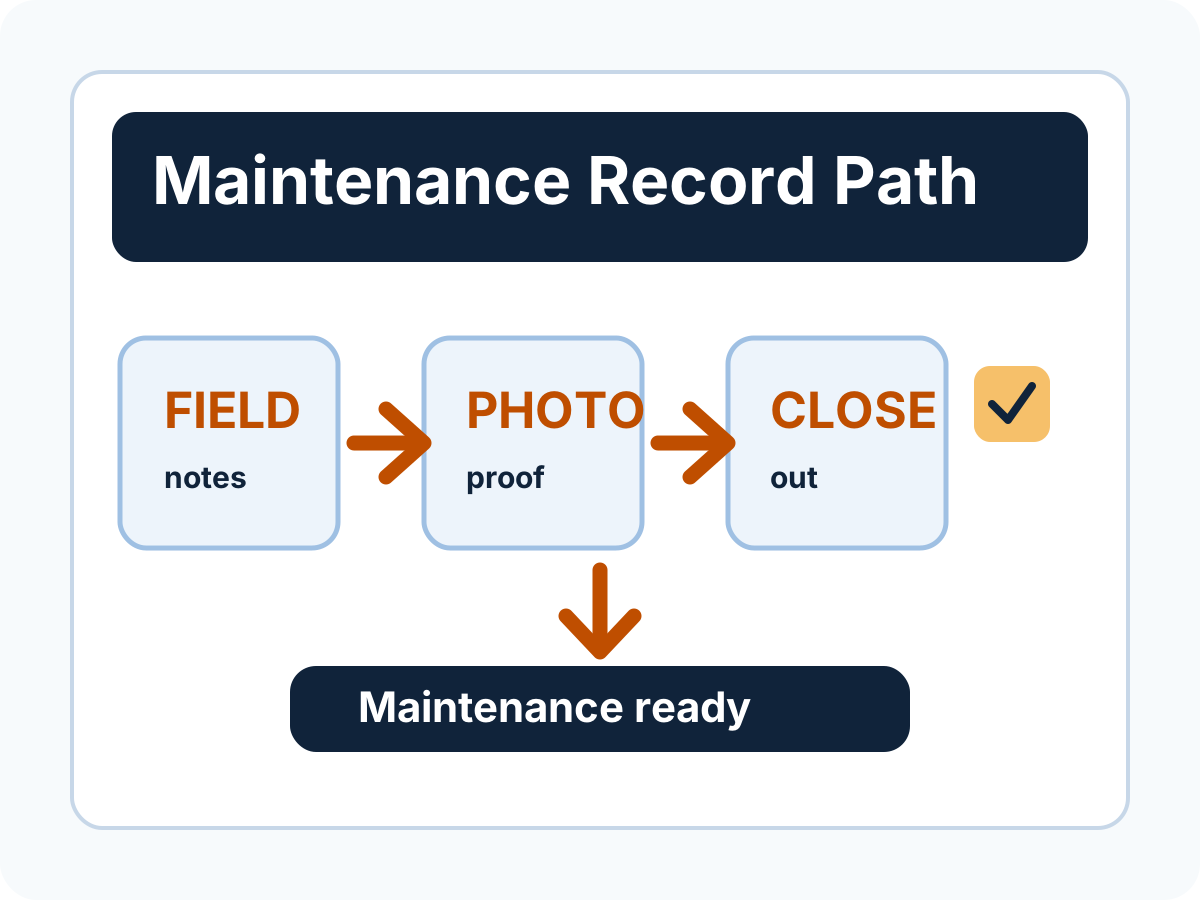
Start with location and condition
A useful record identifies the exact equipment or work area, what was reported, and what was visible before work. Pair close-up photos with a wider image so another person can find the same location without reconstructing the site from messages.
Keep work photos in sequence
Separate before, during, and after photos. Add dates, a short description of the activity, and the person or crew responsible for the update. A photo should show either the location, the condition, the work performed, or the item that still needs attention.
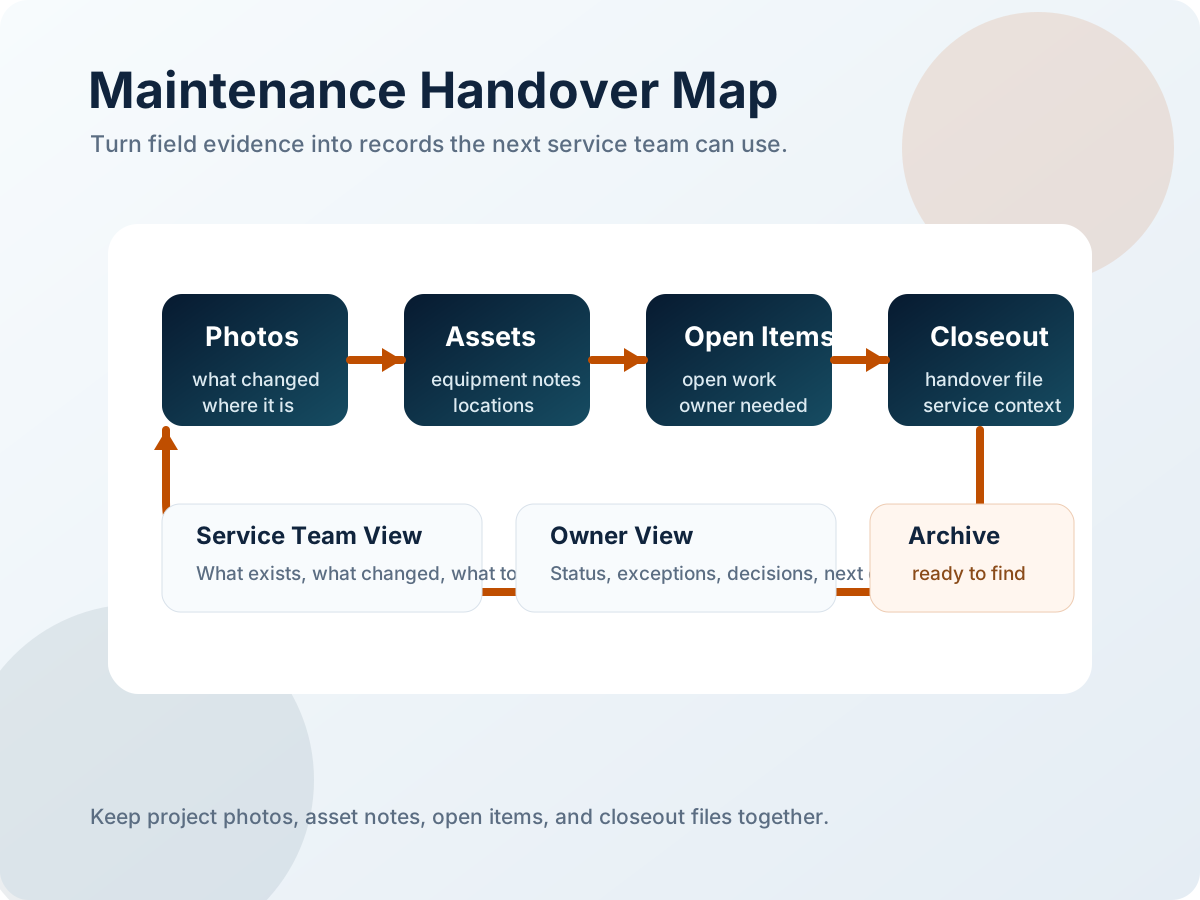
Track parts without losing the repair status
List each important part as ordered, received, installed, backordered, rejected, or still required. Attach the part number, delivery reference, or photo when available. Keep parts status next to the affected equipment so purchasing updates do not become detached from the repair.
Name what remains open
Every open item needs a short description, location, responsible party, and next action. Note access, shutdown, scheduling, owner, manufacturer, or inspection dependencies. Do not label work complete while a required test, document, part, or owner decision remains unresolved.
Build the handover package
- Condition and work-scope summary.
- Photo index tied to repair stages.
- Completed activity and dates.
- Parts and material status.
- Open items, owner questions, and responsible parties.
- Files or notes the next technician should receive.
What K&K can organize
K&K can turn submitted photos, notes, parts information, and work status into a repair closeout summary and missing-information list. Repair procedures, technical acceptance, warranty decisions, manufacturer requirements, inspections, and field execution remain with the owner and qualified service parties.